
Masonry Repointing Vs Tuckpointing: What Owners Need
Understanding the difference helps building owners across New York City, Long Island, and the Tri-State area choose the right fix for weathered brick, stone, or stucco/EIFS façades and protect the envelope for years to come.
What repointing means
Repointing is the removal of deteriorated mortar from masonry joints and the installation of new, compatible mortar. We use this method when joints are cracked, loose, or washed out, or when water is tracking through joints and staining interior finishes. Correct repointing restores the joint’s weather seal and load transfer while preserving the masonry units themselves.
What tuckpointing means
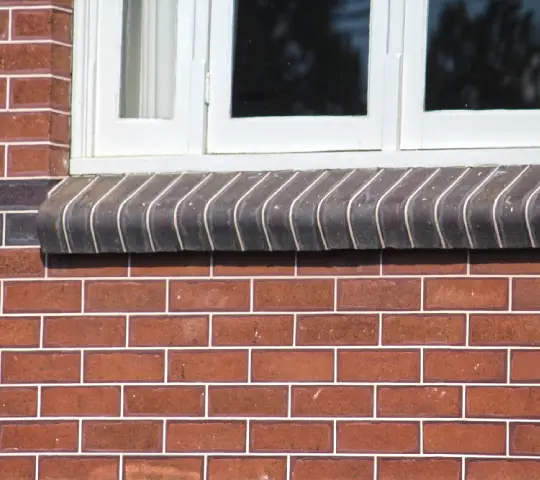
Tuckpointing is a two-step aesthetic technique where we lay a mortar that closely matches the masonry’s color and then cut or “tuck” a thin contrasting fillet to create the appearance of crisp, fine joints. We recommend tuckpointing primarily where the goal is to sharpen the façade’s visual lines, especially on heritage facades with prominent street views in Manhattan, Brooklyn, Queens, the Bronx, Staten Island, and Huntington Station.
Repointing vs tuckpointing at a glance
Repointing solves functional joint failure and water entry. Tuckpointing refines appearance and can be combined with limited repointing if joints are sound but visually uneven. When joints are soft, powdery, or missing, repointing is the right first step; tuckpointing is optional and project-specific.
Signs your building needs joint work
We look for missing or crumbling mortar, step cracks, spalled brick edges at joints, damp interior walls after rain, efflorescence tracks, and open joints around lintels, parapets, and cornices. On stucco/EIFS, we look for failed control joints and separation at terminations. If one elevation is more exposed to wind and salt air (common along the South Shore and North Shore of Long Island), it often shows wear first.
How we scope and plan the work
We start with a façade survey, document joint conditions, and map locations for removal and replacement. We define quantities by elevation and prioritize areas near rooflines, window perimeters, sills, and lintels. Where heritage aesthetics matter, we prepare small mock-ups so owners and boards can review and approve the joint profile, tooling, and finished texture before production. We schedule access, deliveries, and tenant notifications to keep buildings in Queens, Brooklyn, and Nassau/Suffolk moving smoothly during active work hours.
Mortar compatibility and color/texture matching
Mortar must be compatible with surrounding masonry. Hard, high-strength mortars can damage soft brick; soft mortars can erode quickly on dense stone. We select mixes suited to the substrate and exposure, then color-match and texture-match so repairs blend rather than stand out. On historic and heritage façades, we align sand gradation and tooling profiles to maintain the original character—critical in co-op and townhouse contexts across NYC.
The repointing process we follow
We saw or rake out deteriorated joints to the specified depth, clean the joint of dust and debris, lightly pre-dampen as needed, and place new mortar in lifts to ensure proper bonding and curing. We tool the joint to match the original profile—concave, weathered, or flush—then protect fresh work from rapid drying or rain. We maintain clean lines at interface details like copings and flashing terminations, and we verify that weeps and soft joints remain functional.
Where tuckpointing adds value
Tuckpointing makes sense when joints are structurally sound but visually uneven or too wide. On decorative banding, entry bays, and street-level façades, the fine fillet restores crisp definition. We set expectations up front: tuckpointing is not a substitute for repointing when joints have failed; it is a finishing step to elevate appearance, often used on select elevations in Manhattan and high-visibility corners in Huntington Station retail corridors.
Avoiding common mistakes that shorten service life
We protect brick arrises by avoiding aggressive grinding. We remove mortar to the correct depth (typically at least twice the joint width), avoid smearing mortar onto masonry faces, and match the original joint profile so water sheds correctly. We never overfill joints to create a raised ridge that traps water. Attention to these details reduces freeze-thaw damage and keeps façades in the five boroughs and Long Island performing through winter cycles.
How repointing interacts with waterproofing and sealants
Joint restoration is only one part of the envelope. Where masonry ties into windows, EIFS panels, or expansion joints, we often include perimeter sealant replacement so new mortar and adjacent joints work together. We select silicone, urethane, or STP sealants with proper backer rods to handle movement at transitions, especially around window perimeters and control joints on mid-rise and multi-family buildings. This coordination reduces leak paths without altering windows or doors.
Cost drivers owners should know
Pricing varies by access needs, percentage of joints requiring removal, joint depth, elevation complexity, and whether decorative tuckpointing is included. Corner stacks, parapets, and cornices can take more time due to detail density. Mock-ups, sample approvals, and specialty color matching add modest up-front effort that pays off in uniform results on co-ops and historic assets throughout NYC and the Tri-State area. We do not publish project value ranges; instead, we scope transparently and provide a clear work plan.
Compliance, filings, and scope boundaries
We plan every project around safety and compliance. We obtain required building department filings, coordinate sidewalk protection where needed, and manage site safety with competent supervision and training. We are licensed and insured with umbrella coverage across our services, and we staff a 24/7 emergency line for active leaks and water intrusion. For environmental questions, we coordinate asbestos and related investigations through a third-party inspector. To avoid scope gaps, we note that we do not coordinate penetrations and flashings with other trades, and while we have experience on landmark properties, we do not handle LPC/SHPO approvals in-house.
Access planning that respects occupants
We select vertical access suited to the building and schedule and coordinate with management to sequence work so residents and businesses can move safely during working hours. We stage materials neatly, keep egress clear, and post straightforward notices before moving to new drops or elevations. This approach reduces noise and disruption on busy streets in Brooklyn, Queens, and Suffolk/Nassau counties.
Service life you can expect
With compatible mortar, correct joint depth, and proper tooling, repointed façades typically deliver a long service life in New York’s freeze-thaw climate. Decorative tuckpointing, when used, is primarily aesthetic and should be maintained on a cadence aligned with façade exposure. We recommend periodic visual checks after major storms and a simple maintenance plan that includes monitoring parapet caps, copings, and soft joints to keep the envelope performing.
Frequently asked questions about masonry repointing and tuckpointing
How do I decide between repointing and tuckpointing?
If your priority is stopping leaks or stabilizing loose joints, choose repointing. If joints are sound but the elevation looks uneven or tired, add selective tuckpointing for a sharper appearance.
What is the difference between masonry repointing and tuckpointing on historic buildings?
On historic assets, repointing preserves the masonry by renewing the joint in a compatible mix and original profile. Tuckpointing can recreate fine joint lines for period-correct visuals. We always mock up color and texture so boards and owners can approve the look first.
How long does repointing take?
Timeline depends on access, elevation size, and percentage of joints needing replacement. We phase work by drop so your building in Huntington Station, Manhattan, or the wider region stays open and safe during active hours.
Will repointing fix interior leaks?
It often does when the leak path is through failed joints. If leaks also involve transitions at windows, EIFS control joints, or roof interfaces, we include sealant replacement or targeted waterproofing details in the same work plan.
How often should sealants around masonry perimeters be replaced?
Perimeter and control-joint sealants typically follow a multi-year cycle depending on product type, UV exposure, and movement. We review these joints during repointing projects and replace them where needed so the system works as a whole.
Do you serve both residential and commercial buildings?
Yes. We work with multi-family properties, co-ops, schools, and public housing, as well as mixed-use and commercial assets across NYC, Long Island, and the Tri-State area.
Why choose us for repointing or tuckpointing in New York
We bring hands-on façade experience across brick, stone, stucco/EIFS, terracotta, lintels, parapets, and cornices. We scope clearly, match mortar color and texture, and use sample approvals to lock in appearance before full production. We manage compliance and safety, coordinate necessary filings, and keep tenants informed. Our licensed team is covered by umbrella insurance, and we respond 24/7 to water intrusion so we can stabilize conditions and proceed with planned restoration.
Get a compliant plan for your façade
If you need repointing or tuckpointing in NYC, Long Island, or the Tri-State area, call +1 631 201 7000 or email [email protected]. We’ll assess your façade, define a compatible mortar and finish, plan safe access, and deliver durable, code-aligned results for your property in Huntington Station and surrounding communities.